Crypto Fund Year-End Checklist: NAV, Audit, Tax
The five data jobs a crypto fund must finish before Dec 31: daily NAV snapshots, LP reports, an audit-ready ledger, unclaimed rewards and loan risk.
The NAV your LPs see, the numbers your auditor asks for and the history your accountant needs are all decided by what you recorded during the year. Four of the five year-end data jobs below can wait for December. One cannot: daily snapshots only record from the night you switch them on, so every night before that is a night with no record.
What's on the year-end checklist?
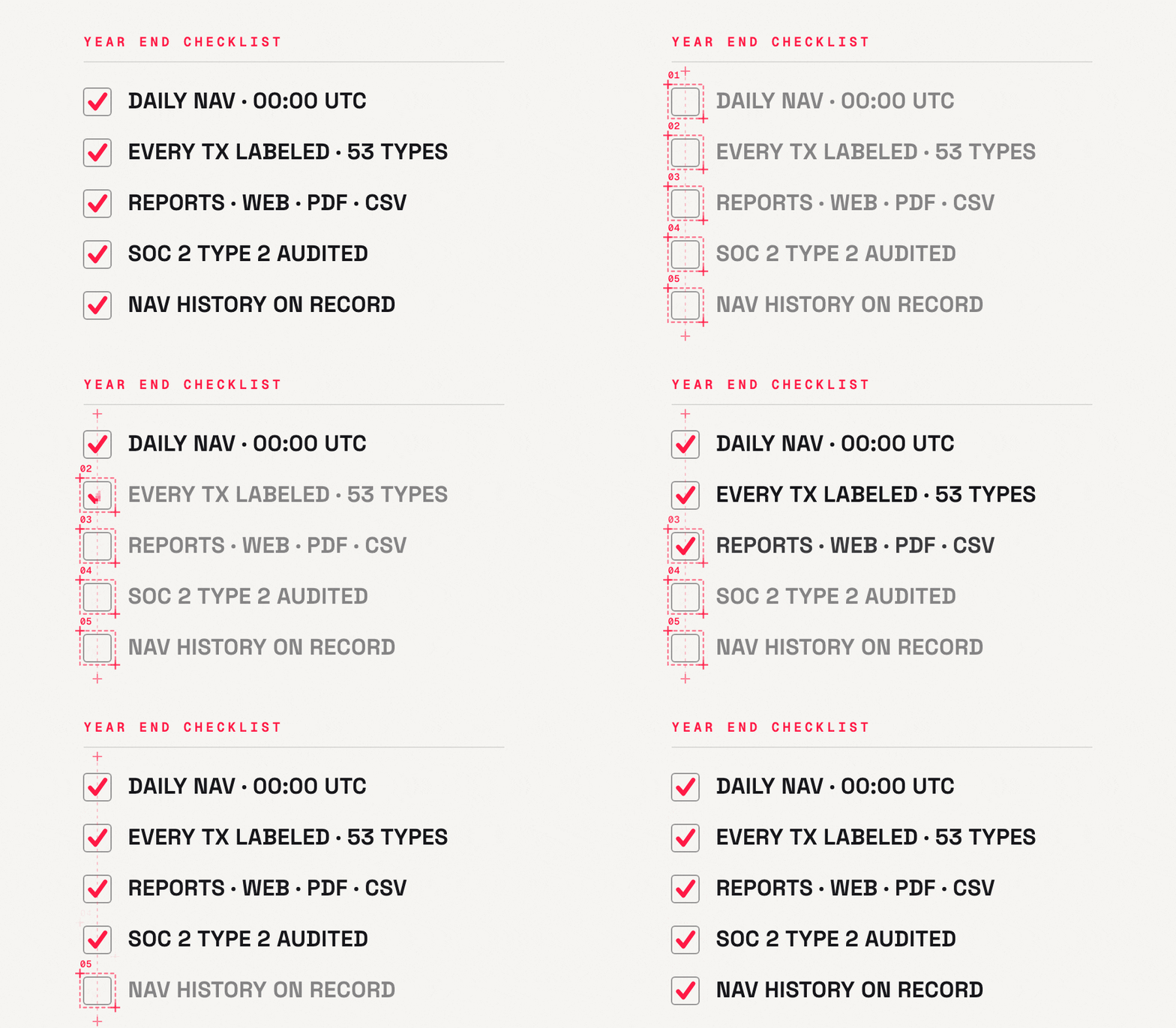
| # | Job | Deadline | What you get |
|---|---|---|---|
| 1 | Turn on daily snapshots | Tonight — no backfill | Daily NAV at 00:00 UTC, position by position |
| 2 | Set up LP reports | Before the first year-end report | NAV, allocation, positions and transactions, monthly |
| 3 | Export an audit-ready ledger | Before fieldwork starts | Every transaction decoded, 53 types, CSV or PDF |
| 4 | Claim rewards, check unlocks | Before Dec 31 | Every claimable reward and the next unlock, in one list |
| 5 | Put alerts on your loans | Before the desk goes quiet | Health-ratio pings on Telegram, email or webhook |
Why can't daily snapshots wait until December?
Because they cannot be filled in afterwards. Octav Snapshots saves your whole portfolio every night at 00:00 UTC, and your record starts the night you turn it on. A snapshot taken on December 31 tells you nothing about November 3.
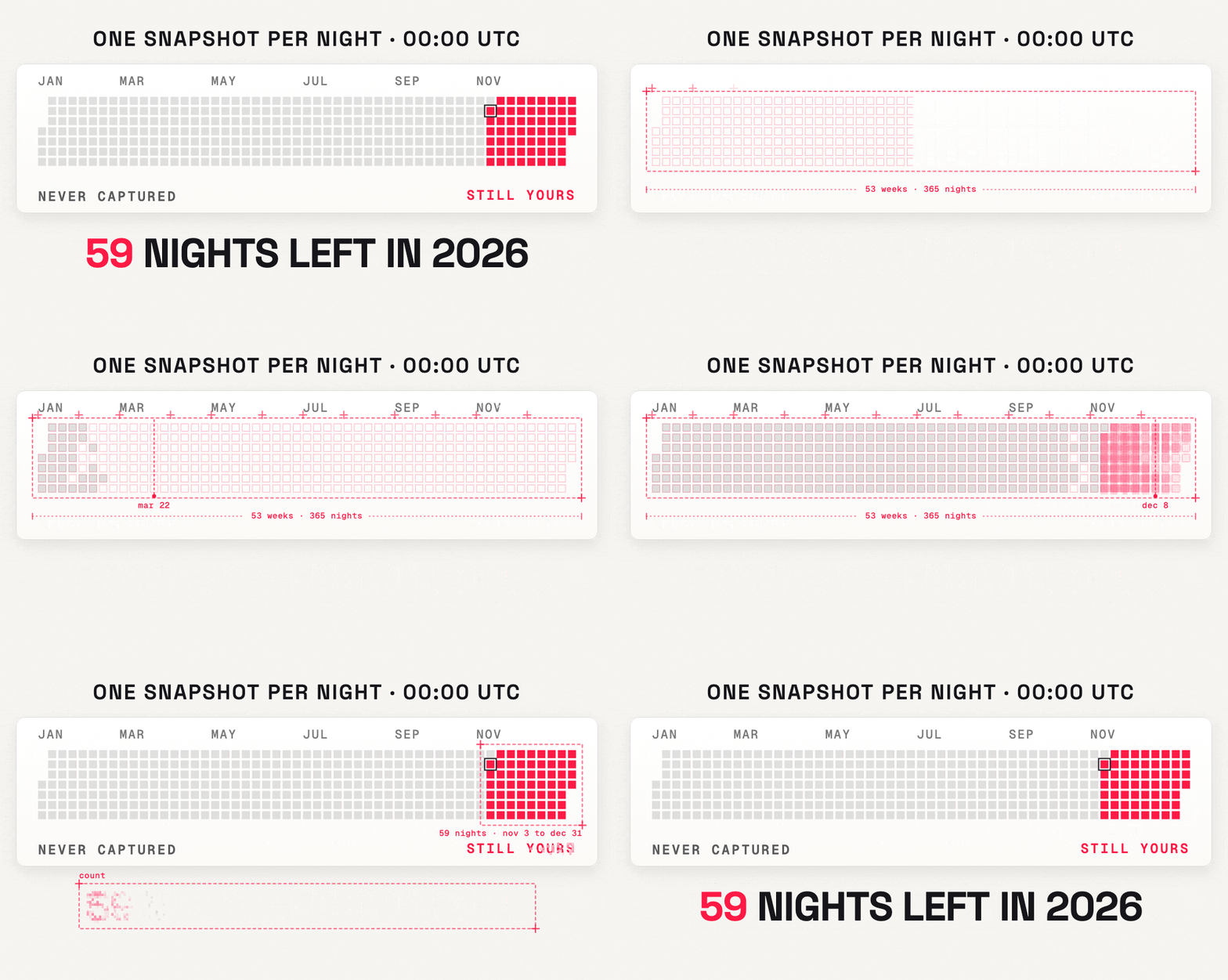
On-chain data is permanent, but your portfolio's history is not. Rebuilding what a wallet was worth on a past date needs every position, the protocol logic as it was then and the prices at that timestamp. The full argument is in Daily Crypto Portfolio Snapshots Explained.
What a year of snapshots gives you at close:
| Use | What it means at year end |
|---|---|
| Rewind | What your tracked wallets held on any captured night, position by position |
| Daily NAV | A clean daily NAV record for LPs and auditors, with no reconstruction — see NAV reporting |
| Reports | A Snapshot Report for any date as Web, PDF or CSV, schedulable monthly |
| Tax | Quarter-end and year-end net worth already on record |
| API | Call /snapshot to pull your captured daily NAVs whenever you need them |
Snapshots runs on its own, or inside Octav Lite and Pro with the full dashboard.
Missed the start? Uncaptured nights only come back through a custom block-by-block rebuild with Portfolio at Block, scoped per protocol and chain. Capturing them as they happen takes one setup.
How do you send LPs a report without building it?
Investor Reports put NAV, allocation, positions and transactions in one report, built every month. Send it as a PDF, CSV, web page or share link.
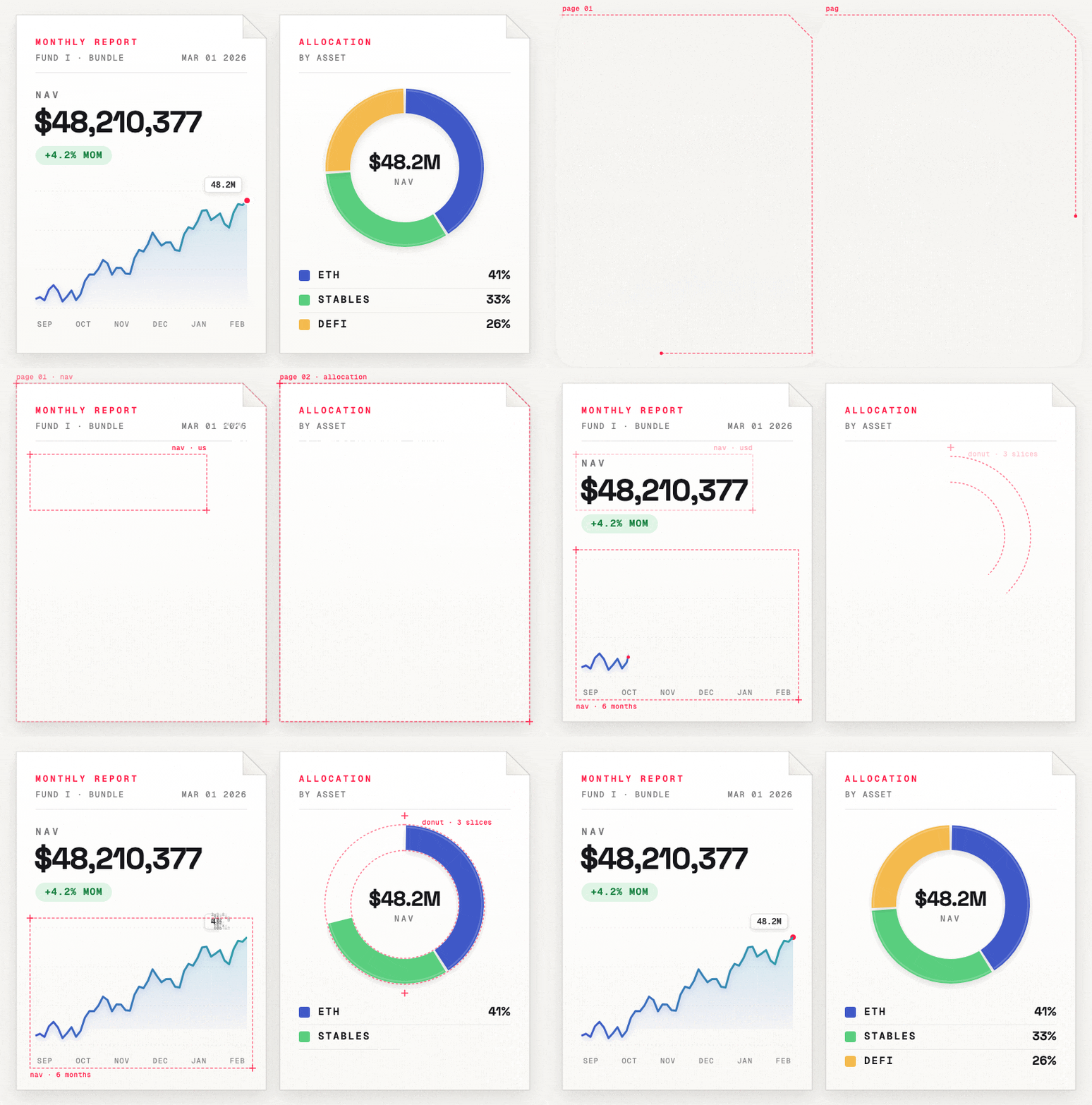
The report is only as good as the NAV under it. If positions inside lending markets, LP vaults or perps are missing, the report is wrong however it is formatted — how funds run that pipeline end to end is covered in Crypto Portfolio Management for Funds.
What does your auditor need from your on-chain data?
A clean year: every transaction labelled and every balance explained.
| Auditor asks for | What Octav provides |
|---|---|
| A readable ledger | Every transaction decoded into plain English, 53 types, exported to CSV or PDF |
| Proof the data vendor is controlled | Octav is SOC 2 Type 2 audited — what that covers is in SOC 2 Type 2 for portfolio data |
| Independent NAV evidence | For treasuries, Chainlink CRE publishes the NAV Octav decodes onchain, for anyone to check |
| Year-end balances | The December 31 snapshot, already on record |
Labelling is the bottleneck in most audits — why, and what an accountant actually needs, is in Crypto Transaction Reconciliation for Audits. For tax filing, the same ledger exports to Koinly, CoinTracker, TaxBit and seven others. Publishing NAV for anyone to verify is covered in Transparency Dashboards for DeFi Treasuries.
Which rewards and unlocks should you claim before year end?
All of them you can see. Unclaimed rewards sit in protocol contracts, not your wallet, so a balance check never shows them.
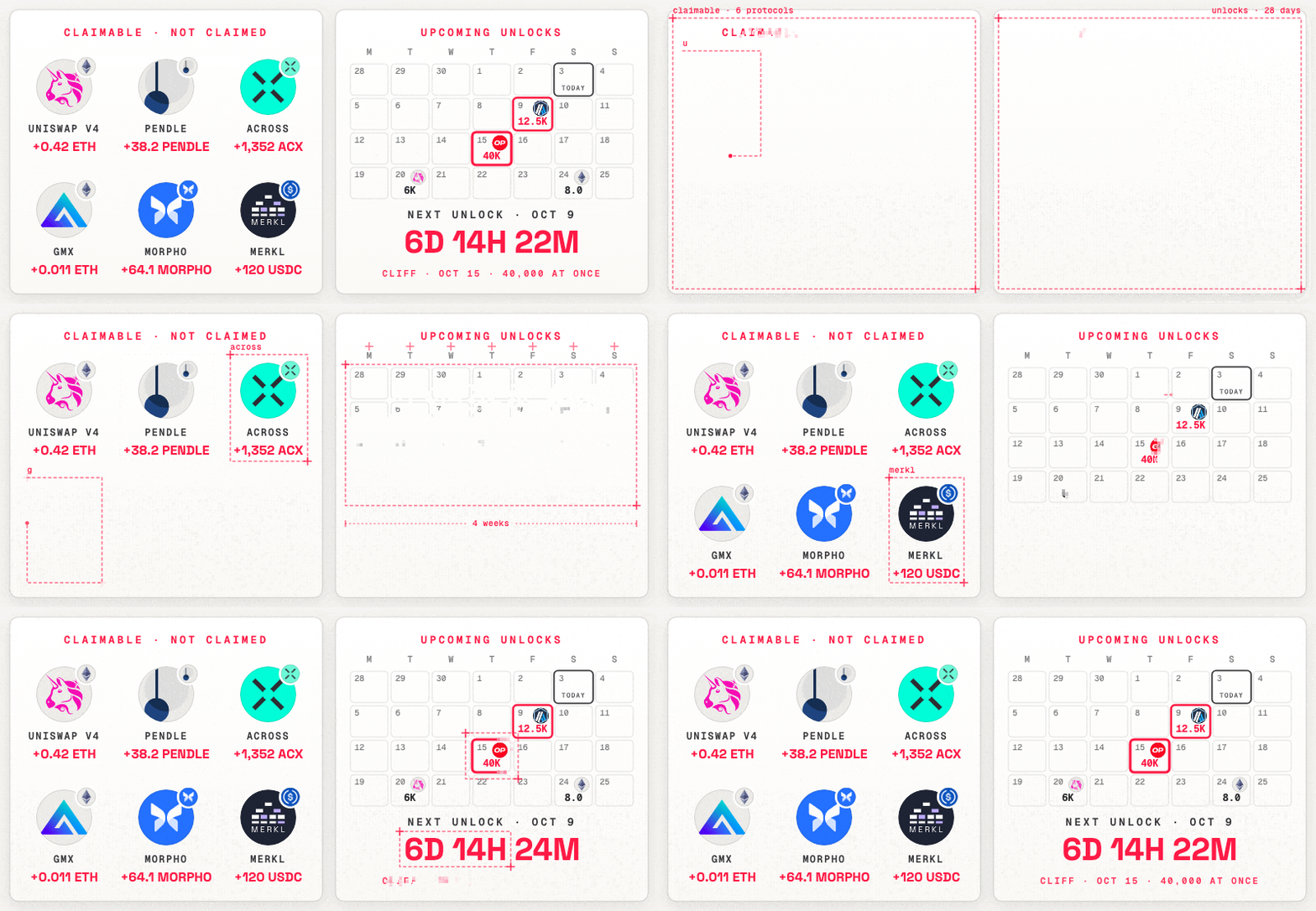
Octav lists every claimable reward across your positions with its token, source and value. Vesting schedules, locked stakes and time-locked deposits are sorted by the next unlock, so a cliff landing in the last week of December is not a surprise in January.
Who watches your positions over the holidays?
The desk is out; the market isn't. Late December runs on thin liquidity and skeleton staff, which is a bad time to learn a loan got close to liquidation.
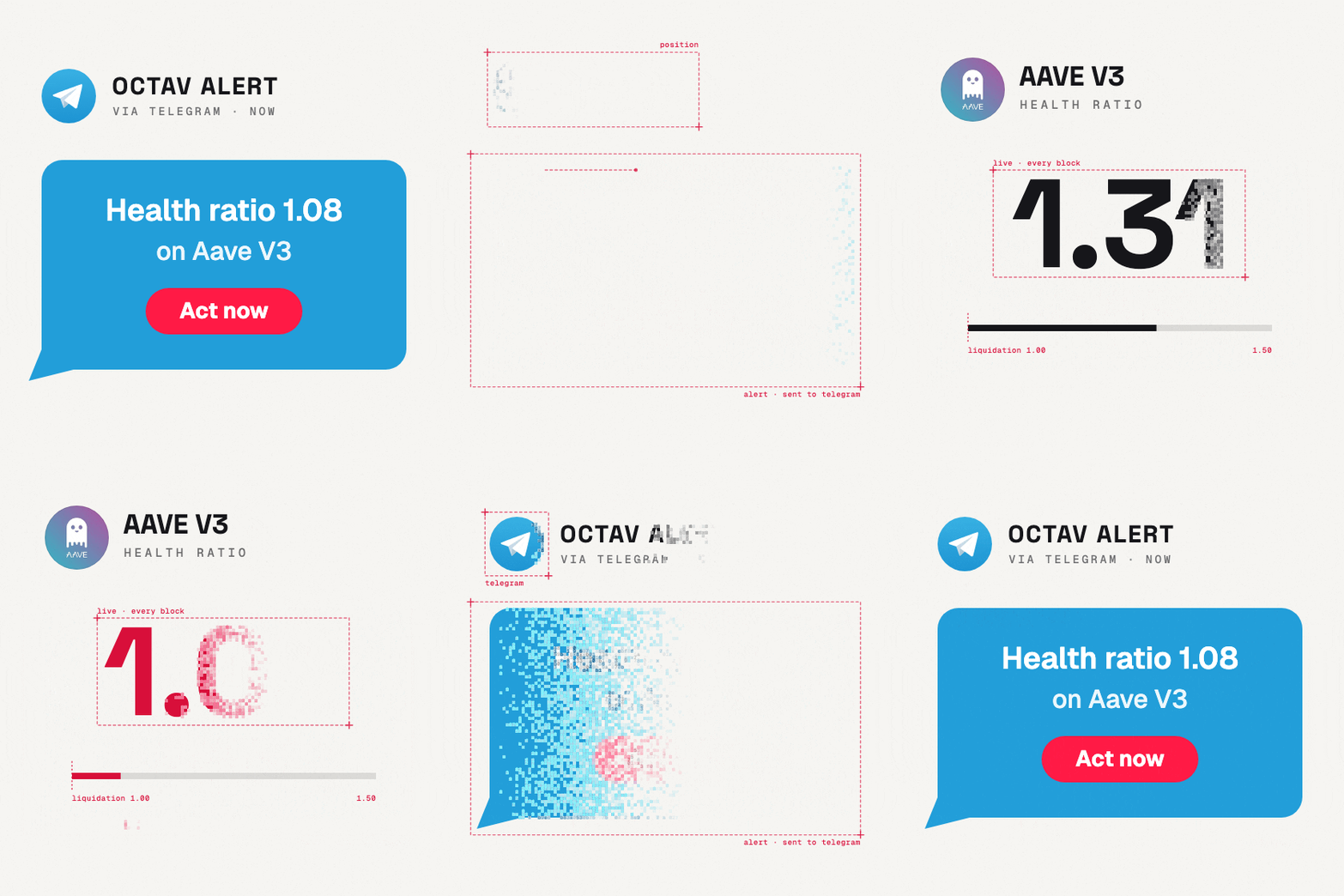
- Onchain alerts watch every block and ping you on Telegram, email or webhook. Your first alert is free.
- Debt Overview lists every loan across chains, riskiest first.
Why the health factor belongs in risk data and not just in the protocol UI is in Tracking Aave Positions. To have an AI assistant watch positions instead, see Build an AI Agent That Alerts You on Your Positions.
How do you see the whole year in one place?
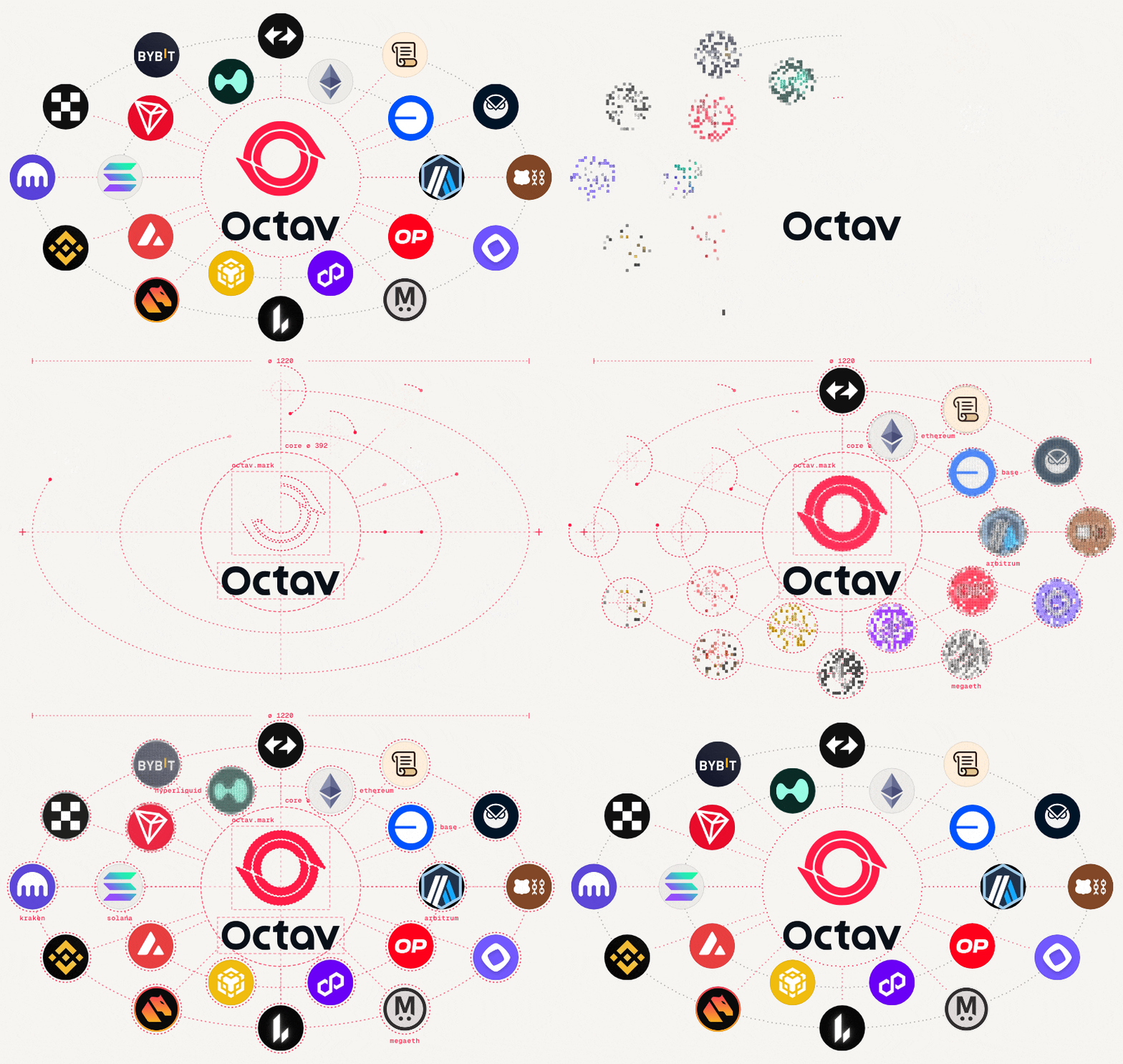
Octav Pro puts every EVM chain plus Solana and Tron, perps on Hyperliquid and Lighter, options on Derive, and Binance, Kraken, OKX and Bybit accounts next to your wallets — one net worth.
Chains and venues on the year-end board
 Ethereum
 Solana
 Hyperliquid
 Derive
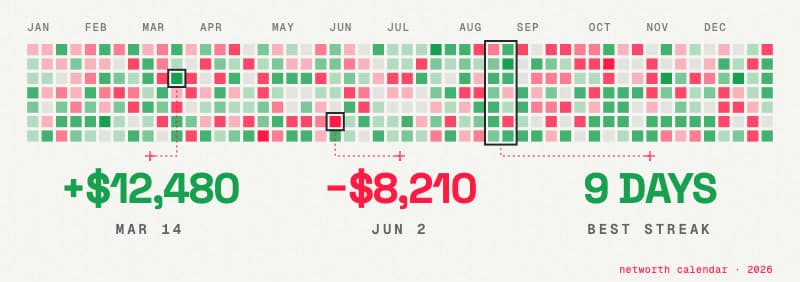
The Networth Calendar shows the year one square per day, so the best and worst days and the longest winning streak are visible at a glance.
Coverage is where most trackers stop short. The decoding behind those venues is in Tracking Hyperliquid Perps, Decoding Derive Options and Tracking Solana DeFi Positions; the full board is toured in The Most Complete Crypto Portfolio Dashboard.
To check a wallet now, paste any address at pro.octav.fi — no signup, no wallet connect.
| Also in Octav Pro | What it does |
|---|---|
| Octav AI | Ask your portfolio anything. Runs on Octav's own servers — six NVIDIA DGX Spark machines. Free with Octav Pro |
| Octav API | Your whole portfolio in one call across 10,000+ protocols: 36 endpoints, an MCP server and a CLI — start with the API guide |
What does Octav cover?
| Figure | |
|---|---|
| 1.1B+ | Transactions decoded |
| 10,000+ | Protocols |
| 53 | Transaction types |
| 36 | API endpoints |
Every other item on this list can be done in December. Snapshots cannot — switch them on tonight and every night left in the year goes on record.
Keep reading
 NAV Reporting
What Is NAV Reporting for Crypto Funds?
How digital asset funds calculate Net Asset Value across wallets, chains and DeFi protocols — and why manual spreadsheet NAV breaks at scale.
2 min read
 NAV Reporting
Transparency Dashboards for DeFi Treasuries
Public NAV and position pages let DAOs, vaults and treasuries prove holdings without granting access. What belongs on one and what to leave off.
2 min read
 NAV Reporting
What SOC 2 Type 2 Means for Portfolio Data
Octav is SOC 2 Type 1 and Type 2 compliant. What the difference actually is, what auditors test, and why it matters when a vendor reads your fund's wallets.
2 min read